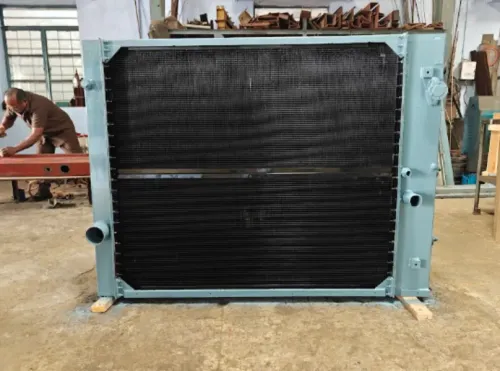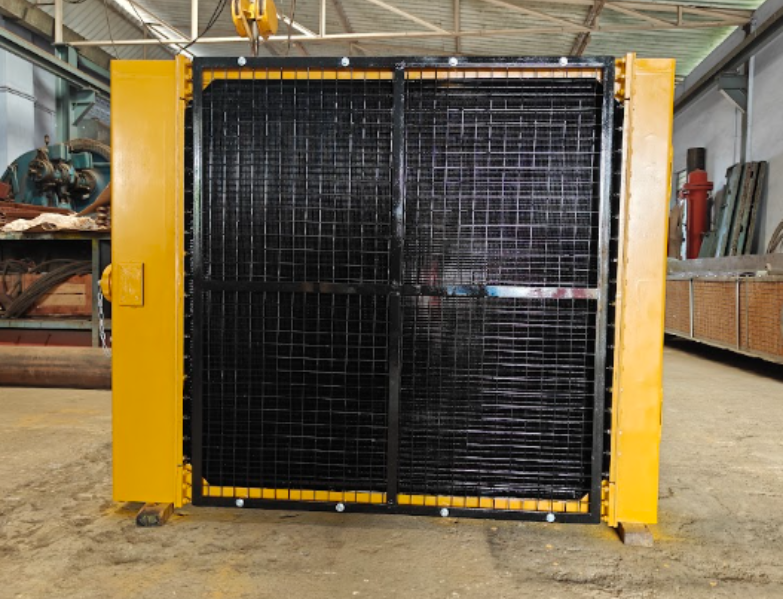
Maintaining precise process temperatures is essential in many manufacturing environments. An Industrial Air Heater provides controlled heating for production lines, drying systems, curing processes, and ventilation applications. Selecting the right system improves product quality, reduces energy consumption, and supports uninterrupted plant operations.
Industrial facilities often have different heating requirements depending on the process, making it important to evaluate more than just heating capacity before investing in new equipment.
What Does an Industrial Air Heater Do?
An industrial air heater raises the temperature of air before it enters a production process or workspace. The heated air can be used for drying, curing, preheating, moisture removal, or maintaining stable operating temperatures.
Unlike general heating equipment, industrial air heaters are designed for continuous operation under demanding production conditions.
Industries That Depend on Industrial Air Heaters
These heating systems are widely used across various sectors, including:
- Textile manufacturing
- Food processing
- Pharmaceutical production
- Chemical industries
- Paint curing facilities
- Packaging plants
- Paper mills
- Engineering workshops
- Automotive manufacturing
- Industrial drying applications
Manufacturing businesses in Coimbatore continue investing in efficient air heating solutions to improve production consistency while reducing energy waste.
How to Choose the Right Heating System
Every industrial process has unique heating requirements. Before selecting an industrial air heater, evaluate the following:
Heating Capacity
The heater should generate sufficient thermal output for the intended process without excessive energy consumption.
Airflow Requirements
Proper airflow ensures uniform heat distribution throughout the production area.
Temperature Control
Accurate temperature regulation improves product quality while preventing overheating.
Fuel Source
Industrial air heaters may operate using electricity, gas, steam, or thermal oil depending on plant infrastructure.
Installation Environment
Space availability, ventilation, and production layout influence equipment selection.
Signs It May Be Time to Upgrade
An outdated heating system often affects productivity before complete failure occurs.
Common indicators include:
- Uneven heating across production lines
- Increasing energy bills
- Longer drying or curing cycles
- Frequent equipment breakdowns
- Difficulty maintaining required temperatures
- Rising maintenance expenses
Replacing inefficient equipment can improve production efficiency while lowering operating costs.
Maintenance Practices That Improve Reliability
Routine servicing helps maintain consistent heating performance.
Recommended maintenance includes:
- Cleaning heating surfaces
- Inspecting fans and blowers
- Monitoring temperature sensors
- Checking airflow paths
- Inspecting electrical or fuel connections
- Following preventive maintenance schedules
Well-maintained equipment delivers better efficiency and a longer operational life.
Selecting a Reliable Manufacturing Partner
Choosing the right manufacturer is just as important as choosing the equipment itself. Industrial buyers should look for engineering expertise, customization capabilities, quality manufacturing standards, and dependable after-sales support.
Premier Engineering Works manufactures industrial heating and cooling equipment for diverse applications, supporting industries across Coimbatore and Tamil Nadu with solutions designed to match specific process requirements.
A properly selected industrial air heater contributes to improved productivity, stable process temperatures, lower energy consumption, and reliable long-term industrial performance.