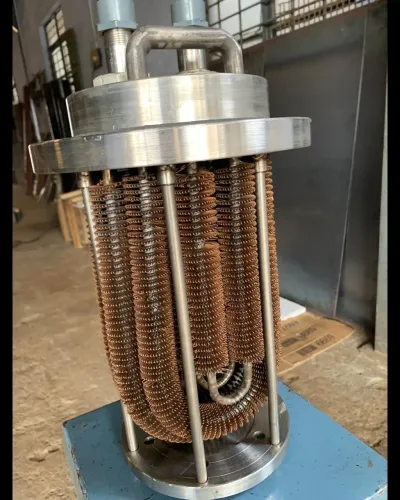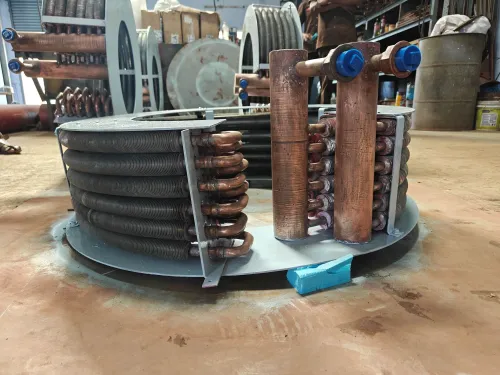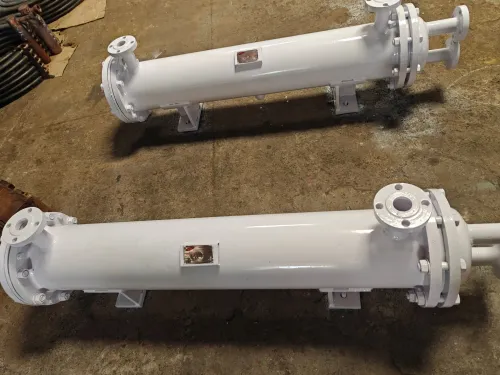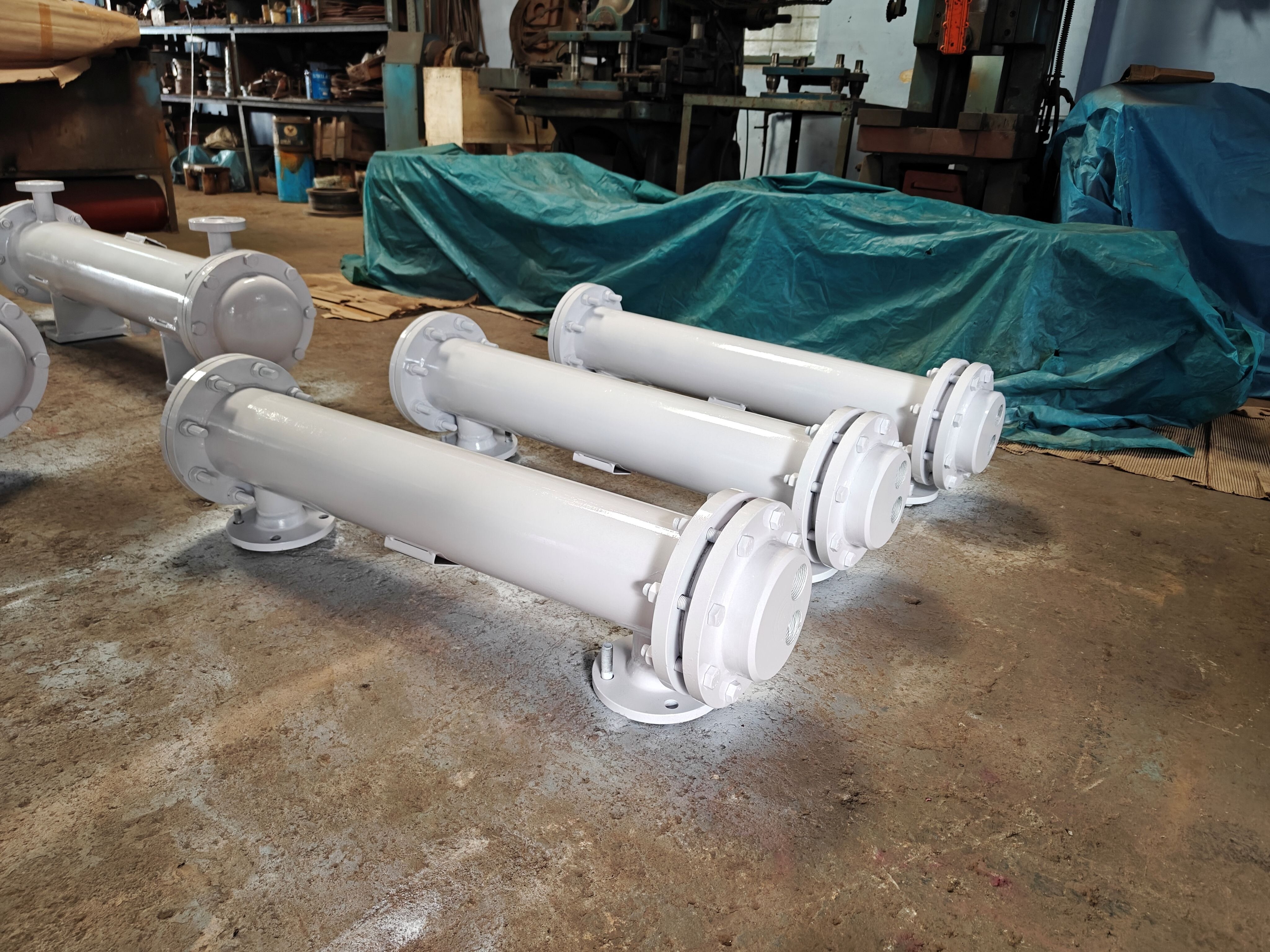
A floating head earns its extra cost when the shell and tube bundle will move differently, or when the bundle must be removed for inspection and mechanical cleaning. By the end, you will be able to compare differential expansion, fixed-tube-sheet and U-tube alternatives, sealing risks, and the plant space required for real maintenance access.
Key takeaways
- Choose floating heads for calculated differential expansion, not high temperature alone.
- Compare floating-head, fixed-tube-sheet, and U-tube designs against maintenance access.
- Specify floating-head seals, test requirements, and inspection access before purchase.
- Confirm bundle-removal clearance, lifting points, and tube-sheet access at the design stage.
Start with Differential Expansion, Not Temperature Alone
A floating head is justified by calculated differential expansion, not by a high process temperature alone. Compare the shell-side temperature and tube-side temperature, then determine the metal temperatures that the shell and tubes actually reach. Include tube length, tube and shell materials, coefficients of thermal expansion, and the temperature path from installation through operation.
The axial movement can be estimated as the difference between tube and shell growth, but the design decision requires a stress analysis:
- Request the calculated axial differential expansion, tube, tubesheet, and shell stresses, and the allowable design movement.
- Check separate startup, shutdown, cleaning, and upset cases; a transient temperature difference can exceed the normal operating case.
- Compare the calculated movement with the flexibility limit of a fixed-tubesheet design.
- If movement exceeds that allowance, evaluate a floating head or shell expansion joint rather than treating the issue as a materials-only choice.
A floating head has one fixed end and one floating or removable end. The bundle can expand relative to the shell without transferring the same axial load into the tubes, tubesheet, or shell.
| Option | Expansion response | Decision signal |
|---|---|---|
| Fixed tubesheet | Accepts limited movement through tube flexibility | Suitable when calculated movement remains within its flexibility limit |
| Floating head | Relieves relative axial movement and permits bundle removal | Strong candidate for long exchangers, dissimilar materials, or large metal-temperature differences |
| Shell expansion joint | Absorbs shell movement without bundle removal | Consider when movement exceeds fixed-tubesheet allowance but added fatigue and leak risk is acceptable |
A short exchanger with similar shell and tube metal temperatures may not need a floating head. A long exchanger with dissimilar materials and a large temperature difference can require one.
Compare Floating Head, Fixed Tube Sheet, and U-Tube Construction
A fixed-tube-sheet exchanger usually has the lowest purchase cost because its tube sheets are permanently joined to the shell. That simplicity becomes a liability when differential thermal expansion is large or shell-side fouling requires bundle removal.
| Construction | Purchase cost and complexity | Expansion tolerance | Cleaning and inspection access |
|---|---|---|---|
| Fixed-tube-sheet exchanger | Lowest; fewest special components | Handles limited movement through tube flexibility; a shell expansion joint adds fatigue and leak risk | Bundle stays in the shell, restricting shell-side cleaning and inspection |
| U-tube heat exchanger | Moderate; removable bundle with formed tubes | Accommodates expansion without a floating head | U-bends resist straight mechanical tube cleaning; inspecting, plugging, or replacing tubes near the bend takes more work |
| Floating-head exchanger | Highest; floating cover, retaining parts, clearances, and gasketed joints add cost | Allows the bundle to expand relative to the shell and reduces axial stress | Removable bundle supports shell-side mechanical tube cleaning, inspection, plugging, and repair |
Choose a floating head when calculated movement is significant, shell-side fluid is dirty, inspections are frequent, or straight tube interiors need mechanical tube cleaning. Its removable bundle provides the main maintenance advantage; tube-side cleaning still depends on channel design, tube diameter, pass arrangement, and fouling type.
Choose fixed tubesheets for clean service with small temperature differences. Choose U-tubes when expansion tolerance and bundle removal matter but difficult bend access is acceptable. Avoid a floating head when its sealing complexity, maintenance burden, and installation space create more risk than the expansion problem.
Choose the Floating-Head Arrangement and Control Its Sealing Risk
Choose the configuration that fits both the plant’s removal route and the required containment level. TEMA rear-head designations identify materially different arrangements:
| Arrangement | TEMA designation | Access and space | Main constraint |
|---|---|---|---|
| Fixed tubesheet | L, M, N | Bundle remains joined to shell | No bundle removal |
| Externally packed floating tubesheet | P, W | Floating movement with external packing | Packing maintenance and leakage control |
| Split-ring floating head | S | Smaller shell diameter | Remove cover, retaining parts, and backing ring before pulling |
| Pull-through floating head | T | Head travels through shell with bundle | Larger shell diameter and installation clearance |
A pull-through floating head simplifies bundle removal because the head exits with the bundle. A split-ring floating head saves shell diameter, but the backing ring, retaining parts, and cover need safe working access before the bundle can move.
Treat the floating-head seal as a process-containment boundary. Specify gasket compatibility with both fluids, allowable leakage, test pressure, inspection method, hazardous-fluid controls, and any leak detection or double isolation. Check the cover, backing ring, packing, bolting, gasket faces, and tubesheet for corrosion, crevice attack, and galvanic incompatibility; compatible tubes alone do not protect the seal.
Require vibration analysis as well. A floating head relieves axial expansion, not flow-induced damage. Poor baffle spacing, excessive cross-flow, long unsupported tube spans, or excessive tube-to-baffle clearance can still cause fretting, fatigue, and tube failure.
Plan the Full Bundle-Removal Job Before You Approve the Design
Treat bundle removal as a plant outage, not a drawing detail. The removable bundle maintenance sequence must be safe, liftable, and possible without dismantling half the unit.
- Isolate the exchanger, drain both circuits, depressurise them, verify zero energy, and disconnect the piping.
- Remove the channel or bonnet and any required removable covers.
- Position the planned lifting equipment, bundle supports, and pulling equipment, then withdraw the bundle along the specified path.
- Clean and inspect the tubes; plug or repair defective tubes as required.
- Inspect the tubesheets, gasket faces, floating-head components, and backing parts.
- Install compatible replacement gaskets, then reassemble the shell cover, floating-head cover, backing components, and bolting.
- Perform the specified pressure and leak tests, including a hydrotest before service, before returning the exchanger to operation.
Provide a straight bundle-pulling clearance equal to the bundle’s full withdrawal length, plus room for lifting equipment, maintenance tools, and safe personnel access. Removable piping, channel covers, lifting points, and bundle supports belong on the layout.
Price the outage around large-cover removal, shell-cover bolting, floating-head seals, gasket replacement, alignment during reassembly, lifting equipment, bundle-pulling clearance, and leakage checks. A floating head does not make tube interiors automatically accessible: channel design, pass partitions, tube diameter, fouling type, and available cleaning equipment still determine tube-side work.
Turn the Expansion Calculation into a Procurement Specification
Put the expansion calculation into the purchase package, not a private design note. The floating-head exchanger specification must state operating and design temperatures and pressures for both circuits, fluid compositions, fouling expectations, tube length, tube and shell materials, calculated differential movement, and thermal stress analysis results.
- Include a TEMA datasheet naming the rear-head designation, gasket and packing materials, allowable leakage, and hazardous-fluid containment controls.
- Define inspection and test requirements, including examination method, test pressure, leak test, acceptance criteria, and records.
- Attach a dimensioned maintenance layout showing bundle length, straight pulling path, removable piping, lifting points, supports, and tool clearance.
- Confirm that the bundle can be pulled in the installed plant and that the cleaning method matches the fouling mechanism.
| Option | Expansion and access | Procurement consequence |
|---|---|---|
| Fixed tubesheet | Limited movement; no bundle removal | Lower cost; shell cleaning constrained |
| U-tube | Handles movement; removable bundle | U-bend resists mechanical cleaning |
| Floating head | Handles movement; pullable bundle | Higher sealing, space, and maintenance burden |
Premier Engineering Works can use these inputs to design around process duty, materials, thermal movement, the sealing boundary, and the available maintenance route rather than temperature alone.
Require the final datasheet and arrangement drawing to show floating-head components, pulling direction, cover-removal path, lifting points, test conditions, and replacement-gasket details. Choose it when expansion tolerance, inspection access, mechanical cleaning, or shorter outages outweigh added capital, space, and sealing-maintenance burden.
Frequently asked questions
When does differential expansion justify a floating-head heat exchanger?
Choose it when calculated shell-to-tube expansion would overstress tubes, tube sheets, or fixed joints during the operating temperature cycle.
How do floating-head, fixed-tube-sheet, and U-tube exchangers differ?
Floating heads accommodate shell-to-tube expansion and permit bundle removal; fixed tube sheets are simpler but restrict expansion relief; U-tubes absorb expansion through tube bending but complicate tube-side cleaning.
How can you control sealing risk in a floating-head exchanger?
Select the floating-head arrangement carefully, define gasket and sealing surfaces, specify inspection and pressure-testing requirements, and protect the joint during assembly.
What must you plan before approving bundle removal?
Check pull-out clearance, lifting capacity, access routes, removal equipment, tube-sheet access, and the space needed for inspection and repair.