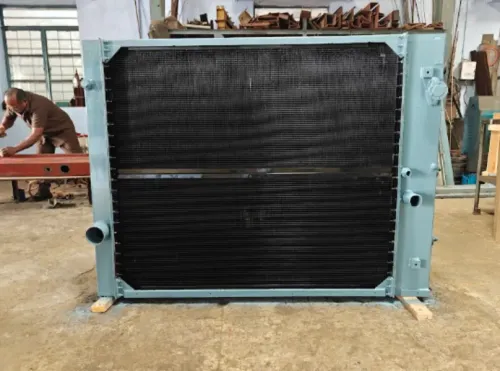
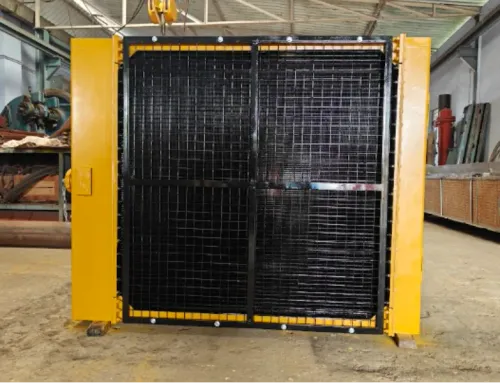
Hydraulic systems generate significant heat during continuous operation. If this heat is not managed effectively, it can reduce oil quality, shorten component life, and lead to unexpected equipment failures. An Air Blast Oil Cooler is designed to maintain optimum oil temperatures, helping industrial machinery perform reliably even under demanding conditions.
For industries that rely on hydraulic power, choosing the right cooling solution is as important as selecting the hydraulic components themselves. Understanding how an air blast oil cooler works and when it should be used can prevent costly downtime and improve overall equipment efficiency.
Why Hydraulic Oil Temperature Matters
Hydraulic oil performs several critical functions beyond transmitting power. It lubricates moving parts, protects components from wear, and helps remove heat generated during operation.
When oil temperatures rise above recommended limits, several problems may occur:
- Reduced oil viscosity
- Increased oxidation
- Seal deterioration
- Pump efficiency loss
- Premature valve wear
- Higher maintenance costs
Maintaining the correct operating temperature helps extend both oil life and equipment reliability.
Signs Your Cooling System May Be Undersized
Many industrial facilities continue operating with cooling equipment that no longer matches production demands.
Watch for these warning signs:
- Frequent overheating alarms
- Hydraulic oil discoloration
- Increased energy consumption
- Reduced machine performance
- Frequent oil replacement
- Unplanned maintenance shutdowns
Addressing these issues early can prevent larger mechanical failures.
How an Air Blast Oil Cooler Solves the Problem
An air blast oil cooler circulates hot hydraulic oil through a finned core while powerful fans force ambient air across the surface. Heat is transferred efficiently without requiring a water supply, making the system suitable for facilities where water conservation is important.
Compared to water-cooled alternatives, these units offer:
- Simple installation
- Lower maintenance requirements
- Reduced operating costs
- Consistent cooling performance
- Easy integration into existing hydraulic systems
Choosing the Right Capacity
Selecting an air blast oil cooler involves more than matching physical dimensions.
Engineers should evaluate:
- Heat load generated by the hydraulic system
- Oil flow rate
- Ambient operating temperature
- Fan performance
- Installation space
- Continuous operating hours
- Future production expansion
Oversized units may increase costs unnecessarily, while undersized coolers can struggle to maintain safe operating temperatures.
Industries That Commonly Use Air Blast Oil Coolers
These cooling systems are widely used in:
- Steel plants
- Injection moulding industries
- Mining operations
- Construction equipment
- Machine tool manufacturing
- Power generation
- Industrial presses
- Material handling equipment
- Marine applications
- Heavy engineering facilities
Many industries in Coimbatore and across Tamil Nadu rely on air blast oil coolers to improve equipment reliability while reducing maintenance interruptions.
Making Cooling Part of Preventive Maintenance
Cooling systems should be included in every preventive maintenance program. Cleaning cooling fins, checking fan performance, monitoring oil temperatures, and inspecting for airflow restrictions can significantly improve system efficiency.
Manufacturers such as Premier Engineering Works provide engineered cooling solutions tailored to industrial operating conditions, helping businesses achieve dependable hydraulic performance.
An appropriately selected air blast oil cooler not only controls operating temperatures but also supports longer equipment life, better production efficiency, and reduced maintenance costs.