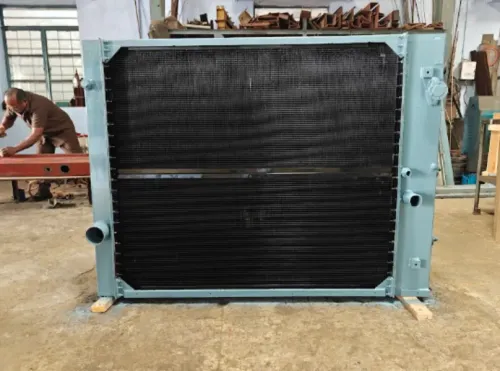
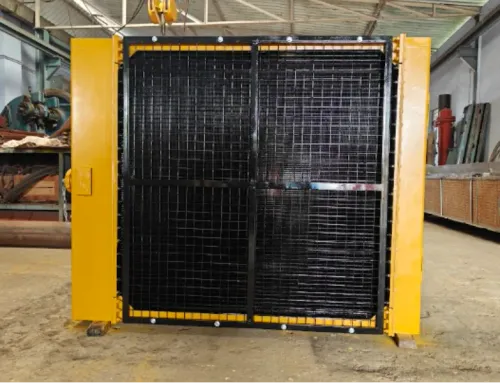
Industrial processes involving significant temperature variations require equipment capable of handling thermal expansion without compromising performance. A Floating Head Heat Exchanger is specifically designed for such demanding applications, making it a preferred choice for refineries, chemical plants, power stations, and other heavy industries.
Its unique construction allows one end of the tube bundle to move freely, reducing thermal stress and improving long-term reliability.
Why Thermal Expansion Matters
When equipment operates under varying temperatures, metal components naturally expand and contract. If this movement is restricted, excessive stress can develop within the exchanger, increasing the risk of mechanical failure.
A floating head design accommodates this movement while maintaining efficient heat transfer.
Key Advantages of a Floating Head Heat Exchanger
This design offers several important operational benefits.
- Handles large temperature differences
- Reduces thermal stress
- Simplifies tube bundle cleaning
- Supports demanding industrial processes
- Extends equipment service life
- Improves maintenance accessibility
These advantages make it suitable for industries where operating conditions change frequently.
Typical Industrial Applications
Floating head heat exchangers are commonly installed in:
- Oil and gas processing
- Petrochemical plants
- Power generation facilities
- Chemical industries
- Marine engineering
- Fertilizer production
- Heavy manufacturing
- Industrial heating systems
- Process cooling plants
- Refinery operations
Industrial businesses in Coimbatore continue adopting advanced heat exchanger designs to improve operational efficiency while reducing maintenance downtime.
Factors to Evaluate Before Selection
Choosing the correct exchanger requires careful engineering assessment.
Temperature Variation
Large temperature differences usually favor floating head construction.
Cleaning Requirements
Processes that generate scaling or fouling benefit from removable tube bundles.
Pressure Conditions
Equipment should be designed for both normal and peak operating pressures.
Material Compatibility
Construction materials should resist corrosion, erosion, and chemical exposure.
Maintenance Planning
Easy access for inspection reduces maintenance time and production losses.
Common Mistakes During Equipment Selection
Avoid these frequent purchasing mistakes:
- Selecting equipment based only on initial cost
- Ignoring thermal expansion
- Underestimating maintenance requirements
- Choosing incompatible materials
- Overlooking future production capacity
- Using standardized designs for specialized applications
Considering lifecycle performance instead of purchase price often delivers better long-term value.
Working with an Experienced Manufacturer
Heat exchanger performance depends on engineering accuracy as much as manufacturing quality. Businesses should choose manufacturers capable of designing equipment according to actual process conditions rather than generic specifications.
Premier Engineering Works develops customized thermal management solutions for industries throughout Coimbatore and Tamil Nadu, helping manufacturers improve operational reliability across a wide range of industrial applications.
A properly engineered floating head heat exchanger provides dependable performance under demanding operating conditions, making it an excellent investment for industries seeking durability, efficient heat transfer, and simplified long-term maintenance.