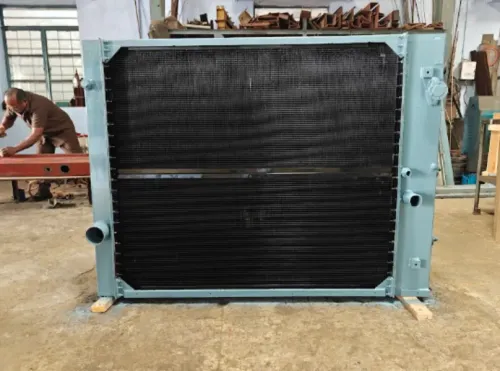
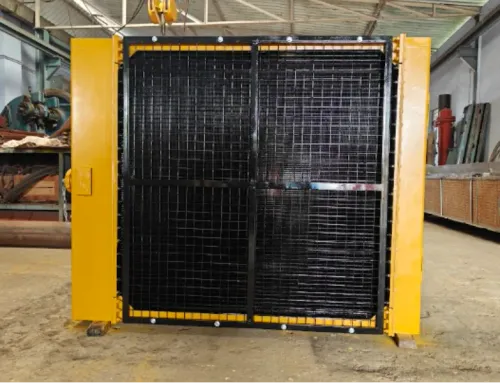
Efficient oil cooling is essential for industrial systems operating under continuous or heavy-duty conditions. An Aluminum Oil Cooler has become a preferred choice for many manufacturers because it combines excellent thermal conductivity with lightweight construction and corrosion resistance.
Whether installed in hydraulic machinery, compressors, generators, or mobile equipment, aluminum oil coolers help maintain stable operating temperatures that protect valuable machinery and improve production efficiency.
Why Aluminum Is Widely Used for Oil Cooling
Material selection has a direct impact on cooling performance. Aluminum offers several characteristics that make it well suited for industrial heat transfer applications.
These include:
- High thermal conductivity
- Lightweight construction
- Corrosion resistance
- Faster heat dissipation
- Easy fabrication
- Long service life
Together, these properties enable efficient cooling without adding unnecessary weight to the equipment.
Comparing Aluminum with Other Materials
Different industrial applications require different material choices. While copper and stainless steel have their own advantages, aluminum often provides an excellent balance between performance and cost.
Aluminum oil coolers are particularly suitable when:
- Weight reduction is important
- Fast heat transfer is required
- Moderate operating pressures are expected
- Outdoor installation is planned
- Energy efficiency is a priority
The final material selection should always be based on operating conditions rather than cost alone.
Where Aluminum Oil Coolers Are Commonly Installed
These coolers support a wide range of industrial applications, including:
- Hydraulic power packs
- CNC machines
- Industrial compressors
- Diesel generators
- Construction machinery
- Agricultural equipment
- Plastic processing plants
- Marine systems
- Manufacturing equipment
- Mobile hydraulic systems
Industrial facilities throughout Coimbatore continue adopting aluminum cooling solutions for their combination of efficiency and durability.
Factors That Influence Cooling Efficiency
Several operating conditions affect the performance of an aluminum oil cooler.
Oil Flow Rate
Proper flow ensures effective heat removal without creating excessive pressure loss.
Ambient Air Temperature
Higher surrounding temperatures reduce overall cooling efficiency.
Airflow
Adequate fan performance is essential for consistent heat dissipation.
Oil Cleanliness
Contaminated oil reduces thermal performance and may damage internal passages.
Installation Position
Correct placement improves airflow while simplifying maintenance access.
Maintenance Tips for Reliable Operation
Routine inspections help maximize cooling efficiency and extend equipment life.
Recommended maintenance includes:
- Cleaning external fins
- Checking airflow obstructions
- Inspecting oil connections
- Monitoring operating temperatures
- Examining for corrosion
- Replacing damaged components promptly
A preventive maintenance schedule minimizes production interruptions and improves equipment reliability.
Choosing a Reliable Cooling Solution
An aluminum oil cooler should be selected according to application requirements, environmental conditions, and expected operating hours. Custom-designed cooling systems often provide better long-term performance than generic alternatives.
Premier Engineering Works manufactures industrial cooling equipment that supports diverse industries across Coimbatore and Tamil Nadu with solutions designed to match specific thermal management needs.
Investing in the right aluminum oil cooler helps industrial facilities maintain consistent operating temperatures, reduce equipment wear, improve energy efficiency, and support uninterrupted production for years to come.