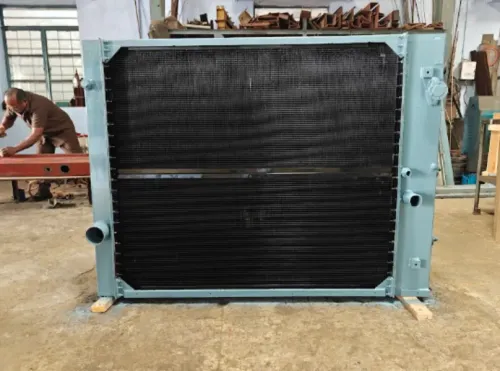
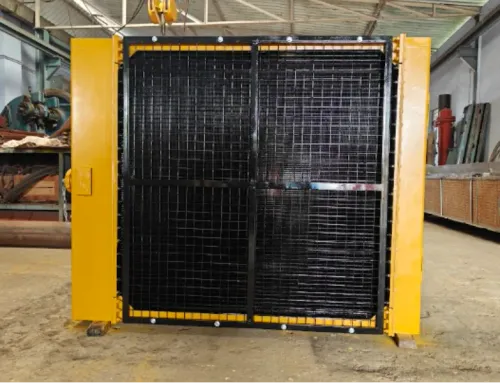
Keeping lubricating oil within the recommended temperature range is essential for maintaining the efficiency and longevity of industrial equipment. A Shell and Tube Oil Cooler is one of the most dependable cooling solutions for applications involving high temperatures, continuous operation, or demanding process conditions. Selecting the right unit requires more than matching capacity,it involves understanding the operating environment, oil characteristics, and future production needs.
Why Oil Cooling Is Essential
Lubricating oil does more than reduce friction. It also carries heat away from bearings, gears, compressors, and hydraulic components. When oil temperatures rise beyond acceptable limits, performance begins to decline.
Common issues caused by excessive oil temperature include:
- Reduced lubrication efficiency
- Faster oil degradation
- Increased wear on rotating components
- Lower equipment efficiency
- Unexpected shutdowns
- Higher maintenance costs
A properly sized shell and tube oil cooler helps prevent these problems while supporting stable plant operations.
Features That Improve Cooling Performance
Modern shell and tube oil coolers are designed for industrial reliability.
Important design features include:
- High-pressure capability
- Durable tube construction
- Efficient heat transfer surfaces
- Corrosion-resistant materials
- Easy maintenance access
- Long operating life
These characteristics make them suitable for industries operating around the clock.
Industries That Commonly Use Shell and Tube Oil Coolers
This cooling equipment is widely installed in:
- Power plants
- Steel industries
- Cement manufacturing
- Marine applications
- Paper mills
- Oil refineries
- Chemical processing plants
- Heavy engineering industries
- Mining operations
- Industrial compressors
Many manufacturing companies across Coimbatore rely on customized oil cooling systems to improve equipment reliability while reducing maintenance interruptions.
Questions to Ask Before Purchasing
Before selecting a shell and tube oil cooler, evaluate:
- What is the maximum oil temperature?
- What cooling medium will be used?
- What is the required flow rate?
- What operating pressure must the unit withstand?
- Will future production increase cooling demand?
- How accessible is the installation area for maintenance?
Answering these questions helps engineers avoid undersized or oversized equipment.
Installation Tips That Improve Efficiency
Correct installation contributes significantly to long-term performance.
Good practices include:
- Maintaining adequate clearance around the unit
- Ensuring proper piping alignment
- Monitoring pressure drop
- Providing sufficient maintenance space
- Following manufacturer-recommended operating conditions
Routine inspections help identify fouling or leakage before they affect production.
Supporting Long-Term Industrial Reliability
Industrial facilities continue investing in dependable thermal management systems that reduce downtime while improving operational efficiency. Experienced manufacturers such as Premier Engineering Works provide customized cooling solutions designed for demanding industrial applications throughout Coimbatore and Tamil Nadu.
Selecting the right shell and tube oil cooler is a practical investment that supports equipment protection, energy efficiency, and uninterrupted production for years to come.